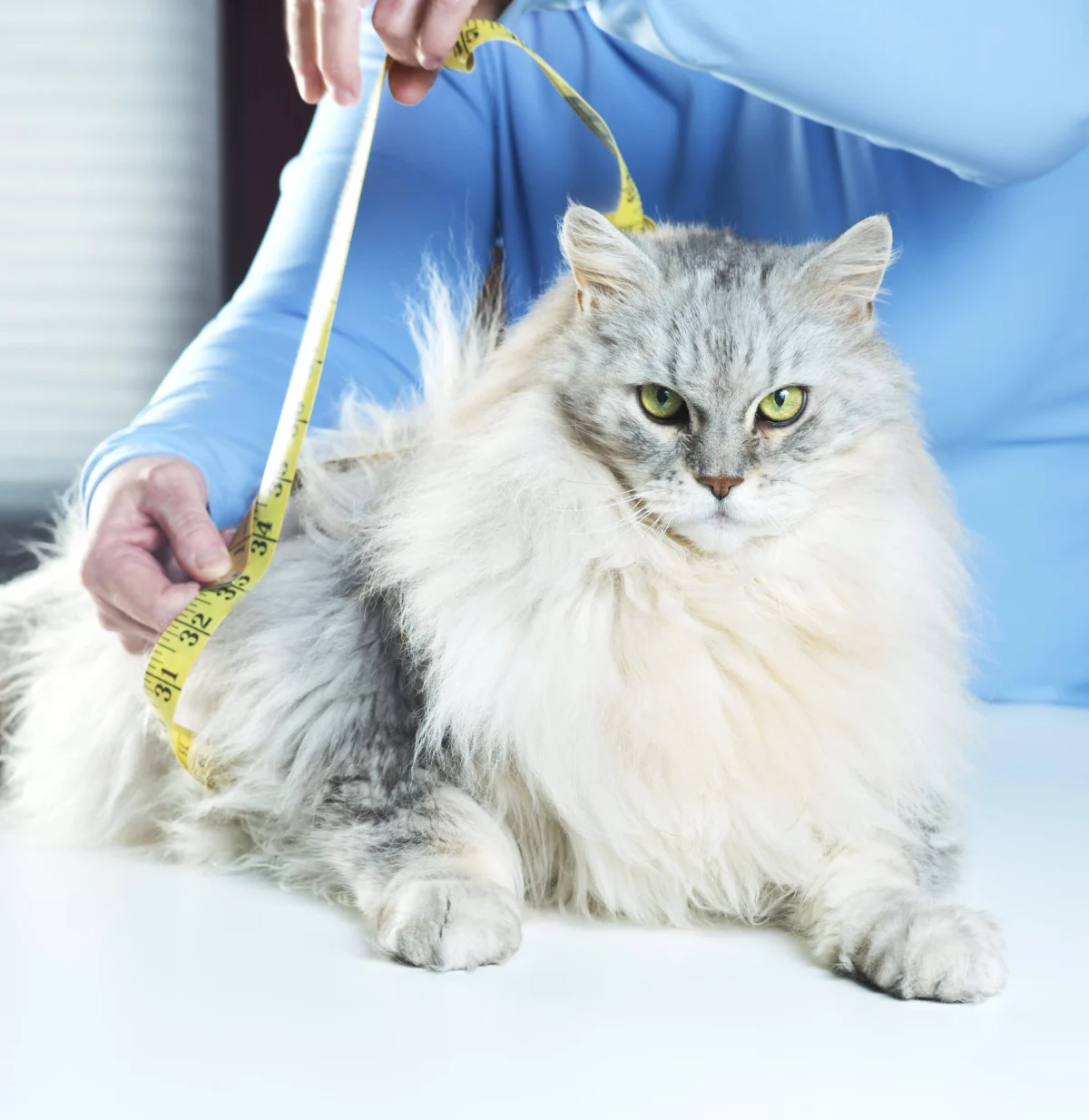
For pet owners like Amy, a Dallas resident whose five-year-old Maine Coon, Felix, has developed a stubborn, waistline-expanding love for food, the struggle against feline obesity is a daily, often losing, battle. Despite her best efforts to portion-control his meals, Felix’s multi-cat household environment—and his own persistent appetite—have kept him well above his ideal weight. Amy’s concerns are rooted in cold, hard reality: feline obesity is not merely an aesthetic issue; it is a gateway to a host of life-shortening ailments, including heart disease, diabetes, and severe joint degradation.
"I’ve actually thought about it," Amy admits, referring to the potential for medical intervention. "If they can make a weight-loss drug for my cat, that would be great."
While the notion of "Ozempic for cats" may initially strike observers as a fringe concept or a humorous extrapolation of human medical trends, it is rapidly transitioning from the realm of speculative fiction to active clinical research. As the blockbuster GLP-1 drug class continues to revolutionize the human treatment of obesity and type 2 diabetes, the veterinary biotech sector is mobilizing to adapt this transformative science for our four-legged companions.
The Science of the "MEOW-1" Trial
The surge in interest surrounding GLP-1 receptor agonists—the class of drugs that includes Novo Nordisk’s Ozempic and Eli Lilly’s Zepbound—has fundamentally shifted the public perception of weight management. Now, that shift is rippling into the $200 billion pet economy.
Leading the charge are two biotech innovators: Akston Biosciences and OKAVA Pharmaceuticals. Akston is currently sponsoring a clinical study at Cornell University to evaluate a once-weekly GLP-1 therapy specifically designed for overweight and obese cats. Meanwhile, San Francisco-based OKAVA Pharmaceuticals is taking a more technological approach, testing an experimental long-acting implant—codenamed "MEOW-1"—which is designed to deliver consistent medication for up to six months.
The objective is clear: to address what veterinarians have long cited as one of the most common yet intractable health challenges in small animal medicine. According to the Association for Pet Obesity Prevention, the scale of the crisis is immense. In 2022, U.S. veterinary professionals classified approximately 61% of cats and 59% of dogs as overweight or obese.
Cats, in particular, present a unique clinical challenge. Unlike dogs, which can be managed through structured exercise regimes like longer walks, cats are notoriously resistant to dietary changes and often prove difficult for owners to medicate on a daily basis. The promise of a long-acting injection or a sustained-release implant could theoretically bypass the compliance hurdles that currently plague feline weight-loss programs.
A Chronology of the Pet Obesity Crisis
The path to current clinical trials did not occur overnight. It is the culmination of decades of changing pet-ownership habits and the subsequent rise of chronic lifestyle diseases in companion animals.
- The Early 2000s: Veterinary literature begins to sound the alarm on the "obesity epidemic" in domestic pets, noting a correlation between human dietary habits and pet caloric intake.
- 2015–2020: The "Humanization of Pets" trend accelerates. Owners begin treating pets as family members, leading to increased spending on premium treats and table scraps, further exacerbating weight issues.
- 2022: The Association for Pet Obesity Prevention reports that nearly two-thirds of U.S. cats are overweight, confirming that diet alone is insufficient for many households.
- 2023–2024: The global explosion of GLP-1 drugs for human use highlights the effectiveness of metabolic regulation. Biotech firms quietly begin re-engineering these compounds for feline physiology.
- Late 2024–2025: Akston Biosciences and OKAVA Pharmaceuticals initiate clinical trials, moving the concept of "pet weight-loss drugs" into the public eye.
- 2026 and Beyond: Industry experts anticipate top-line data from these trials, which will determine whether a commercial market for feline weight-loss therapeutics can actually be sustained.
Supporting Data: The Scale of the Market
To understand why biotech firms are investing in this space, one must look at the financial trajectory of the pet industry. Morgan Stanley estimates that the total U.S. pet economy is on track to grow from roughly $196 billion in 2025 to over $240 billion by 2030. Within this, pet food alone is projected to reach $65 billion by 2026.
However, the "medicalization" of pet care is where the highest growth potential lies. While owners are increasingly buying "premium" food, they are also shifting their spending toward diagnostics, pharmacy services, and therapeutic nutrition. This suggests that the future of the pet industry is not merely about feeding animals, but about managing their longevity.
Analysts point out that cats represent a massive, untapped "whitespace." As younger generations increasingly choose cats over dogs due to their lower maintenance requirements and urban-friendly lifestyles, the feline-specific health market is expanding at a rate three times faster than that of canine health products.
Official Responses and Industry Perspectives
Despite the enthusiasm from biotech, the industry remains cautious regarding the commercial viability of these drugs. Todd Zion, CEO of Akston Biosciences, has been vocal about the necessity of these interventions, noting that feline obesity is currently the least effectively treated issue in veterinary medicine.
Conversely, market analysts offer a dose of reality. Simeon Gutman, a leading analyst at Morgan Stanley, argues that investors should avoid the trap of assuming pet-focused GLP-1s will mirror the explosive growth of their human counterparts.
"The most overhyped part is the assumption that pet obesity drugs will replicate the human GLP-1 market in terms of penetration and pricing," Gutman noted in a recent briefing. He highlights two major barriers:
- Affordability: Veterinary medicine is almost entirely an out-of-pocket expense for consumers. Unlike human medicine, which is often subsidized by insurance or government programs, the entire cost of a feline GLP-1 treatment will fall on the owner.
- Clinical Complexity: The regulatory and safety hurdles for approving a drug for animals are rigorous. A drug that works for a human may require extensive testing to ensure it does not cause adverse reactions in a feline liver or kidney system.
The Pivot to "Preventive Nutrition"
While biotech firms pursue the "medical" route, the industry’s titans—such as Nestlé Purina and Hill’s Pet Nutrition (a subsidiary of Colgate-Palmolive)—are doubling down on the concept of "personalized health."
Nestlé has recently revamped its strategy to focus on what it terms "longevity-focused nutrition." Rather than waiting for a pill to solve obesity, these companies are launching specialized diets aimed at digestive health, metabolic rate optimization, and healthy aging. Their goal is to capture the market share of owners who are concerned about weight but may be wary of (or unable to afford) clinical pharmaceuticals.
The industry is moving toward a "holistic ecosystem" model. This ecosystem includes:
- Early Diagnostics: Companies like IDEXX are pushing for routine blood work that identifies metabolic issues before they become symptomatic.
- Therapeutic Diets: Prescription-grade foods that regulate caloric intake while maintaining muscle mass.
- Pharmacy Subscriptions: Retailers like Chewy are integrating pharmacy services directly into their subscription models, making it easier for owners to receive chronic medication deliveries.
Implications for the Future
The emergence of GLP-1 trials for cats signals a broader, irreversible shift in how we view companion animal health. We are moving away from a model of "reactive care"—where we treat the animal only when it becomes overtly ill—to a model of "proactive management."
Whether or not GLP-1 drugs for cats ever become a household commodity, the conversation has permanently changed. For owners like Amy, the mere existence of these trials offers hope. If these clinical tests prove successful and, crucially, if the pricing becomes accessible, we may soon see a world where metabolic health is no longer a matter of willpower, but a standard component of veterinary care.
Ultimately, the success of these drugs will depend on the intersection of science and economics. If the "MEOW-1" implant or similar weekly therapies can demonstrate a safe, effective, and affordable way to extend the lives of our pets, they will undoubtedly become the next great frontier in the multibillion-dollar pet health revolution. For now, however, the industry remains in a period of careful observation, balancing the high potential of scientific breakthrough against the practical constraints of the family budget.