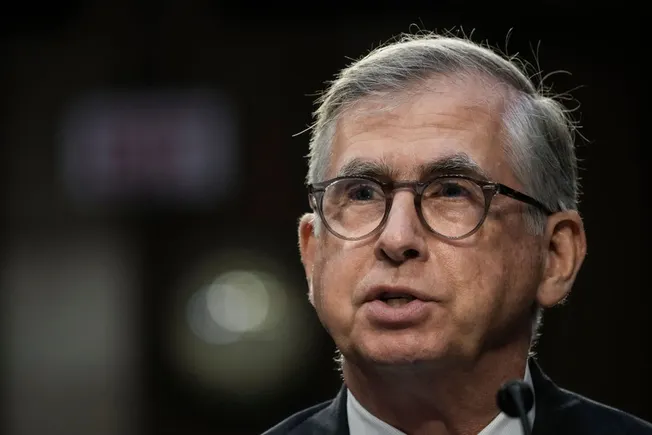
As the banking sector navigates a complex macroeconomic landscape defined by fluctuating interest rates, fierce competition for talent, and the relentless pressure of digital transformation, Truist Financial is preparing for a significant leadership transition. On September 1, Mike Lyons will officially take the helm as CEO of the $550 billion-asset super-regional bank, a move that outgoing CEO Bill Rogers describes as a vital step toward injecting “acceleration, assurance, and intensity” into the organization.
The transition marks a pivotal moment for the Charlotte, North Carolina-based institution. By bringing in a veteran with deep roots in payments and financial technology, Truist is signaling a strategic pivot toward modernization and performance optimization.
The Core Mandate: Driving Performance and Innovation
The appointment of Mike Lyons, who most recently served as an executive at Fiserv and previously held a high-ranking role at PNC, has been widely characterized by market analysts as a “welcome outsider” perspective. As Truist looks to bolster its profitability and expand its market footprint, the board has made it clear that they are seeking a leader capable of steering the bank through the next era of banking—one where traditional lending is increasingly intertwined with sophisticated digital payment ecosystems.
Bill Rogers, who has served as Truist’s CEO since 2021, will remain with the organization as executive chair until his planned retirement in April 2027. This extended transition period is intended to ensure continuity while allowing Lyons to fully integrate into the firm’s culture and strategic operations.
During the company’s recent second-quarter earnings call, Rogers emphasized that the selection of Lyons was the result of a rigorous, year-long search process. “Mike is an accomplished and respected financial services leader with a proven ability to drive growth, improve performance, and create long-term shareholder value,” Rogers stated. “Throughout the selection process, it was clear to our board that he is the right leader for our future.”
Chronology of a Strategic Succession
The path to this transition began well over a year ago, as the Truist board initiated a comprehensive assessment of the company’s long-term leadership requirements. The planning was not merely about replacing an outgoing executive, but about identifying the specific skill sets required to thrive in a rapidly evolving financial ecosystem.
The Search Criteria
According to Rogers, the board’s search was guided by several key questions:
- Performance Optimization: Is the company firing on all cylinders?
- Strategic Alignment: Does the candidate have a deep understanding of core banking, coupled with the foresight to anticipate where the “proverbial puck is going” in technology and payments?
- The Right Timing: When is the most advantageous moment to execute a seamless transition?
By focusing on these pillars, the board concluded that Lyons—whose resume spans complex banking operations and cutting-edge payments infrastructure—was the perfect fit. His background provides a bridge between traditional regional banking and the high-growth, high-tech world of modern finance.
The Transition Timeline
- June 2024: The board officially announces the appointment of Mike Lyons as the incoming CEO.
- September 1, 2024: Lyons assumes the role of CEO, with Rogers transitioning to executive chair.
- 2024–2027: A period of mentorship and strategic oversight, culminating in Rogers’ retirement in April 2027.
Supporting Data: The Financial Landscape
Truist enters this leadership transition from a position of relative strength, despite the broader economic headwinds facing the banking sector. The bank’s second-quarter results paint a picture of an organization that is growing, albeit under the pressure of intense industry competition.
Quarterly Performance Highlights
- Net Income: Increased by approximately 27% year-over-year, reaching $1.5 billion.
- Revenue: Rose 5.5% to $5.3 billion.
- Guidance Adjustment: The bank slightly trimmed its full-year revenue growth guidance from 4% to a range of 3.5% to 4%, reflecting a cautious outlook on market volatility.
The Deposit Migration Challenge
A critical component of the current banking environment is the management of interest-bearing deposits. CFO Mike Maguire noted that the bank is witnessing a persistent trend of “rate-seeking behavior,” where clients migrate their capital into higher-yielding products.
While average deposits increased 1.1% to $405 billion, the cost of funding these deposits has crept upward. Average interest-bearing deposit costs rose by 1 basis point over the prior quarter to 2.1%, while total deposit costs also saw a 1-basis-point increase to 1.56%. Rogers characterized this not as a result of aggressive competitive pressure, but as a fundamental shift in client behavior in a high-rate environment.
Official Responses and Investor Sentiment
The market’s reception to the news has been characterized by a mix of optimism and prudent inquiry. During the earnings call, UBS analyst Erika Najarian raised questions regarding how Truist plans to reach its long-term target of a 16% to 18% return on tangible common equity (ROTCE). Rogers’ response was unequivocal: “Mike came in here to lead and run a high-performing company, and I don’t think there will be any doubt on that.”
Addressing Internal Stability
A primary concern for analysts, including Najarian, is the impact of an outsider CEO on existing bank talent. In a competitive market like Charlotte—which has become a battleground for major players such as JPMorgan Chase, Citi, and Sumitomo Mitsui—talent retention is paramount.
Rogers addressed these concerns directly, stating, “We re-recruit everyone every day.” He acknowledged that while succession uncertainty can be unsettling, the official announcement has provided the market and the staff with a newfound sense of “certainty.” By clarifying the leadership timeline, the board hopes to stabilize the workforce and provide the “incredible platform” necessary for top performers to remain engaged and productive.
Implications: The Road Ahead for Truist
As the industry looks toward the next three years, the implications of the Lyons appointment are significant. The "relay race" analogy used by Rogers highlights the intention to maintain momentum. The goal is to ensure that as the baton passes, there is no loss of speed—or, as Wells Fargo analyst Mike Mayo colorfully noted, “Hopefully, no one drops the baton.”
Strategic Priorities
- Technological Integration: Leveraging Lyons’ background in payments to modernize Truist’s digital offerings.
- Growth Acceleration: Moving beyond the current steady-state performance to capture more market share in the commercial and retail segments.
- Cultural Evolution: Maintaining the core values of the institution while fostering an environment that encourages agility and the “intensity” that Rogers signaled is currently required.
The Competitive Context
Charlotte remains the focal point of a massive influx of banking capital and human resources. As global and national institutions expand their footprint in the region, Truist’s ability to differentiate itself will be tested. The bank’s future hinges on whether it can leverage its regional expertise to compete with the massive balance sheets of the “Big Four” banks.
Ultimately, the transition to Mike Lyons is more than a change in personnel; it is a calculated bet on the future of banking. By choosing a leader who bridges the gap between traditional regional banking and the modern fintech landscape, Truist is positioning itself to be more than just a survivor of the current high-rate cycle—it is aiming to be a leader in the next generation of financial services.
As the calendar turns to September, the eyes of the banking world will be fixed on the Charlotte headquarters, watching to see how the “intensity” promised by the incoming CEO manifests in the bank’s quarterly results, its digital roadmap, and its ability to keep the best and brightest talent within its ranks. The race is on, and for Truist, the final lap is just beginning.