[City, State] – [Date] – In an increasingly complex economic landscape, individuals and families often seek guidance to manage their finances effectively. For many people of faith, this pursuit extends beyond mere practicality to encompass spiritual principles and biblical stewardship. A burgeoning sector of Christian financial education programs has emerged to meet this demand, offering structured curricula designed to align monetary decisions with deeply held spiritual values.
This article delves into three of the most prominent programs in this space: SeedTime’s True Financial Freedom, Dave Ramsey’s Financial Peace University (FPU), and Crown Financial’s MoneyLife. Based on a recent comprehensive review by an individual who completed all three, this report provides an in-depth comparison of their methodologies, philosophies, pricing, and suitability for various financial and spiritual goals.
The Growing Call for Christian Financial Stewardship
The concept of financial stewardship holds significant weight within Christian teachings, emphasizing that all resources ultimately belong to God and believers are entrusted with their wise management. This theological foundation drives the creation and adoption of programs that seek to integrate faith with practical financial planning. As economic uncertainties persist and consumer debt remains a pervasive issue, the demand for clear, biblically grounded financial education continues to grow, particularly within church communities looking to equip their congregations.
These programs typically aim to empower participants to gain control over their finances, eliminate debt, build savings, and understand the spiritual implications of earning, spending, saving, and giving. While sharing a common Christian ethos, their approaches diverge significantly in teaching style, strategic emphasis, and the depth of their theological integration.
A Comparative Overview: Main Facts and Methodologies
The core objective of each program is to foster financial health through a Christian lens, yet their pathways to achieving this vary. Dave Ramsey’s Financial Peace University is widely recognized for its aggressive, debt-elimination focus, rooted in a step-by-step methodology. SeedTime’s True Financial Freedom offers a more grace-filled, personalized approach, balancing biblical wisdom with modern financial strategies for holistic wealth building and eternal impact. Crown Financial’s MoneyLife, conversely, leans heavily into the academic and spiritual dimensions, emphasizing God’s ownership and biblical principles above all else.
Pricing Structures at a Glance:
- Crown Financial’s MoneyLife: Positioned as the most accessible entry point, with an individual purchase price of $29.95. As a non-profit organization, Crown Financial is often the most economical choice for churches seeking bulk licenses, though public pricing for such bundles was not readily available.
- Financial Peace University (Ramsey Solutions): Sits in the mid-range at $69.99 for an individual membership. Churches can access bulk pricing, typically starting around $800 for 10 memberships, making it a scalable option for larger congregations.
- SeedTime’s True Financial Freedom: At $149 for an individual/couple license, it is the highest priced for individuals, though regular promotions can reduce this significantly to around $74. For churches, SeedTime offers competitive bulk student licenses starting as low as $48 per person for multiple purchases, or an annual church subscription beginning at $750, scaled by average attendance.
Beyond the initial investment, the value proposition of each program is further defined by its included materials, instructional design, and overarching philosophy.
In-Depth Program Reviews: Chronology, Content, and Implications
To provide a comprehensive understanding, we will now examine each program in detail, considering its history, core curriculum, pedagogical approach, and the specific implications for its participants.

1. True Financial Freedom (SeedTime)
Chronology & Background: Created by Bob Lotich and his wife Linda, the True Financial Freedom program is a more recent entrant into the Christian financial education space compared to its established counterparts. It emerged from SeedTime, a ministry known for its practical biblical finance blog and resources, reflecting a contemporary understanding of online learning and personal financial challenges. The program aims to bridge the gap between abstract biblical principles and actionable, modern financial strategies.
Philosophy and Methodology: True Financial Freedom distinguishes itself by striking a deliberate balance between biblical wisdom and practical money management. Its foundational philosophy revolves around equipping Christians not only to achieve financial freedom but also to make an "eternal impact" for God’s Kingdom. This means going beyond mere debt elimination to encompass wealth building, generous giving, and utilizing resources for Kingdom purposes.
Key Features and Tools:
- "Never 100" Rule: A pragmatic approach to spending adjustments, advocating "done is better than perfect." This rule encourages participants to make progress without being paralyzed by the pursuit of absolute perfection, fostering sustainable habits.
- "Straight A" Strategy: A system designed for automating finances, covering areas like saving, investing, and giving. This minimizes decision fatigue and helps ensure consistent progress towards financial goals.
- Personalized Financial Strategy: Unlike more rigid programs, True Financial Freedom guides participants through interactive workshops to develop a custom financial blueprint. This acknowledges that individual circumstances, goals, and values necessitate tailored solutions.
- Emphasis on Income Generation: A unique focus on leveraging God-given talents and skills to increase income, rather than solely cutting expenses, empowering participants to think expansively about their financial potential.
Included Content: The program typically includes a series of video lessons, comprehensive workbooks, downloadable tools and templates (e.g., budgeting spreadsheets, giving trackers), and often access to a community forum or group discussions for peer support and accountability.
Course Outline (Expanded based on typical modules):
- Introduction to Biblical Financial Freedom: Defining true freedom, God’s ownership, and our role as stewards.
- Mindset Shifts: Overcoming common financial myths, fear, and scarcity mindsets.
- The "Never 100" Spending Adjustment: Practical strategies for reducing expenses without perfectionism.
- Budgeting for Impact: Creating a realistic budget that reflects values and goals, including giving.
- Debt Elimination Strategies: Tailored approaches to paying off various types of debt.
- Building Emergency Savings: Establishing a financial safety net.
- The "Straight A" Automation System: Setting up automatic savings, investments, and giving.
- Investing for the Future & Kingdom: Understanding biblical principles of investing and long-term wealth building.
- Increasing Your Income: Leveraging skills, side hustles, and career development.
- The Power of Generosity: Exploring biblical giving and its eternal impact.
- Estate Planning & Legacy: Planning for the future and leaving a lasting legacy.
- Crafting Your Personalized Financial Blueprint: Integrating all concepts into a unique action plan.
Teaching Style & Engagement: Bob and Linda Lotich are praised for their engaging, relatable, and transparent teaching style. They share personal financial struggles and triumphs with humor and grace, creating a non-judgmental atmosphere. This approach fosters a sense of learning from "wise, caring friends," making the content highly accessible and encouraging active participation, particularly appealing to those who prefer a modern, video-based learning experience reminiscent of contemporary online educational platforms.
Target Audience & Strengths: True Financial Freedom is ideally suited for Christians who desire a holistic approach to finance, seeking to integrate biblical principles with actionable strategies for both debt reduction and wealth building. It appeals to those who appreciate a personalized, grace-filled learning environment and are motivated by the concept of making an eternal impact with their resources. Its modern delivery and emphasis on automation make it particularly attractive to younger demographics or those seeking an updated perspective on Christian finance.
2. Financial Peace University (Ramsey Solutions)
Chronology & Background: Dave Ramsey founded Financial Peace University (FPU) in 1994, building on his personal experience of bankruptcy and subsequent recovery through biblically-based financial principles. FPU quickly became a household name within Christian and secular circles alike, largely due to Ramsey’s charismatic media presence and the program’s straightforward, prescriptive methodology. It has helped millions of individuals and families across North America achieve financial solvency.

Philosophy and Methodology: FPU’s primary goal is to guide participants through a proven, step-by-step approach to taking control of their money, eliminating debt, and building wealth. Its cornerstone is the "Baby Steps" system, a sequential plan that prioritizes emergency savings, debt elimination (using the debt snowball method), larger savings goals, and investing. While incorporating biblical principles, FPU’s overall emphasis is heavily practical and tactical, focusing on behavioral change and disciplined execution.
Key Features and Tools:
- The "Baby Steps" System: A clear, prescriptive seven-step plan for financial progression, designed to provide constant motivation through achievable milestones.
- Debt Snowball Method: A highly effective psychological strategy for debt elimination, where smaller debts are paid off first to build momentum, regardless of interest rates.
- EveryDollar Budgeting App: Participants often gain access to Ramsey Solutions’ popular budgeting tool, which helps track income and expenses and create zero-based budgets.
- Financial Coaching Resources: Access to a network of Ramsey-trained financial coaches for personalized guidance (often an additional cost).
- Live Event Access: Opportunities to attend Ramsey Solutions live events and connect with the broader FPU community.
Included Content: An FPU membership typically includes access to video lessons, a physical or digital workbook, budgeting forms, and often a one-year subscription to the EveryDollar Plus budgeting app. Group meetings often include discussion guides and facilitated exercises.
Course Outline (Expanded based on "Baby Steps" and typical FPU curriculum):
- Introduction & The First Baby Step: Saving $1,000 for a starter emergency fund.
- Debt Snowball: Understanding and implementing the debt snowball method to eliminate all non-mortgage debt.
- Building Your Budget: Creating a zero-based budget and tracking expenses.
- Financial Decisions & Debt (continued): Tackling credit cards, student loans, and other common debt pitfalls.
- Saving for the Future: Building a fully funded emergency fund (3-6 months of expenses).
- Investing & Wealth Building: Understanding retirement planning, college savings, and long-term investments.
- Real Estate & Mortgages: Navigating homeownership, mortgages, and paying off the house early.
- The Role of Insurance: Protecting your assets and family.
- Giving & Living Generously: Exploring biblical principles of tithing and charitable giving.
Teaching Style & Engagement: Dave Ramsey’s teaching style is characterized by high energy, direct communication, and a "tough love" approach. He delivers hard-hitting truths about money with conviction and urgency, aiming to shock participants into action. While highly motivating for many, this intense, boot camp-like style can be perceived as abrasive or rigid by some, making it feel more like a lecture than an interactive workshop. FPU classes are often facilitated in a group setting, providing a community aspect, but the core teaching comes from pre-recorded videos.
Target Audience & Strengths: Financial Peace University is exceptionally well-suited for individuals and families who are deeply entrenched in debt and require a clear, actionable, and highly motivating plan to regain control. The structured "Baby Steps" system and the psychological effectiveness of the debt snowball method provide a lifeline for those feeling overwhelmed. It’s ideal for those who respond well to a direct, no-nonsense approach and a proven system for debt elimination.
3. MoneyLife (Crown Financial)
Chronology & Background: Crown Financial Ministries (now Crown Financial) has a long and esteemed history, founded in 1976 by Larry Burkett. Burkett was a pioneer in Christian financial counseling, and Crown has since become a leading organization dedicated to teaching biblical principles of money management. MoneyLife is one of their core programs, representing decades of theological reflection and practical application of Christian stewardship.
Philosophy and Methodology: MoneyLife takes a profoundly biblical and theological approach to money management. Its central premise is guiding Christians to understand and apply God’s financial principles to their lives, emphasizing His ultimate ownership of all resources. The program aims to reshape participants’ mindsets and habits by grounding them in scripture, focusing on concepts like stewardship, contentment, giving, and avoiding greed, rather than solely on practical strategies.

Key Features and Tools:
- Biblical Principles First: A deep dive into scriptural teachings on money, debt, giving, and wealth.
- Personality Assessments (e.g., MoneyLife Indicator): Tools to help participants understand their natural tendencies and how they influence financial decisions, facilitating self-awareness and targeted growth.
- "Transfer of Ownership" Exercise: A powerful spiritual practice designed to help participants acknowledge God’s ultimate ownership of their resources and release personal control, fostering a spirit of stewardship.
- Scripture Memory: Encouragement and tools for memorizing key biblical passages related to finance, reinforcing spiritual foundations.
- Emphasis on Contentment and Generosity: Strong focus on cultivating a grateful heart and prioritizing giving as a core aspect of Christian living.
Included Content: MoneyLife typically includes a comprehensive participant’s guide or workbook, access to video lessons (often more traditional lecture style), discussion questions for group settings, and tools like the MoneyLife Indicator assessment. As a non-profit, Crown often provides robust resources for church leaders to facilitate the program.
Course Outline (Expanded based on Crown’s traditional emphasis):
- God’s Financial Principles: Understanding God’s ownership and our role as stewards.
- The Heart of Money: Examining our attitudes towards money, greed, and contentment.
- Debt and Freedom: Biblical perspectives on debt and pathways to liberation.
- Creating a Spending Plan: Developing a budget aligned with biblical values.
- Saving and Investing Wisely: Principles for building security and wealth for God’s glory.
- The Power of Giving: Exploring tithing, offerings, and generosity.
- Work and Earning: A biblical view of labor, income, and provision.
- Integrity and Honesty in Finance: Ethical decision-making with money.
- Leaving a Legacy: Estate planning and passing on biblical values.
- Financial Communication (for couples): Learning to discuss money effectively.
- Overcoming Financial Strongholds: Addressing spiritual roots of financial issues.
- Living a Life of Contentment and Trust: Relying on God’s provision.
Teaching Style & Engagement: The teaching style in MoneyLife is generally more academic and classroom-like. It involves a significant amount of reading, reflection, and written assessments, appealing to learners who prefer a studious, in-depth approach. While videos are part of the curriculum, they often serve to deliver instruction rather than facilitate interactive engagement. The focus is on deep theological understanding and personal introspection, which may be less dynamic for those seeking highly interactive or entertainment-driven content.
Target Audience & Strengths: MoneyLife is ideal for Christians who are primarily seeking a deep, theological understanding of biblical money management and are willing to engage in a studious, reflective learning process. It is well-suited for those who prioritize exploring the spiritual foundations of financial stewardship and aligning their money habits with their faith at a profound level. Individuals who thrive on extensive reading, personal reflection, and a structured, academic environment will find this program particularly enriching.
A Deeper Comparative Analysis
Beyond individual program descriptions, a direct comparison highlights the distinct choices available to individuals and churches:
- Biblical Integration vs. Practicality: Crown Financial’s MoneyLife is the most deeply rooted in theological exposition, often leading with scriptural principles before practical application. FPU incorporates biblical principles but prioritizes a prescriptive, secularly-influenced debt-reduction system. True Financial Freedom aims for a harmonious blend, offering practical tools while consistently framing them within a grace-filled, Kingdom-focused biblical worldview.
- Debt Focus vs. Holistic Stewardship: FPU’s undeniable strength lies in its aggressive, effective debt-elimination strategy. While other programs address debt, it is FPU’s primary battleground. True Financial Freedom and MoneyLife adopt a more holistic view, covering debt but also significantly expanding into wealth building, investing, giving, and long-term legacy planning from a broader stewardship perspective.
- Teaching Pedagogy: Ramsey’s high-energy, direct, and often confrontational style is designed to shock and motivate. SeedTime’s Bob and Linda offer a warm, relatable, and transparent approach, fostering a sense of camaraderie. Crown Financial employs a more traditional, academic style, relying on reading, lectures, and self-reflection. The choice here largely depends on individual learning preferences and comfort levels.
- Personalization vs. Prescriptiveness: FPU’s "Baby Steps" are highly prescriptive, offering a clear path that minimizes decision-making but allows less room for individual customization. True Financial Freedom actively guides participants in creating a personalized strategy tailored to their unique circumstances. MoneyLife offers some personalization through assessments but its core framework remains deeply structured by biblical principles, which can feel rigid in its application.
- Community Aspect: All three programs are often facilitated in group settings within churches, providing a valuable community and accountability component. However, the nature of interaction varies based on the program’s inherent style, from FPU’s motivated, action-oriented groups to MoneyLife’s more reflective discussion circles.
Personal Experience and Recommendations: An Informed Choice
The individual reviewer, having completed all three programs, offered unique insights into their practical application and overall impact.
True Financial Freedom was described as a "life-changing experience." The reviewer lauded Bob and Linda Lotich’s warm and relatable teaching, which fostered a sense of learning from "trusted friends." The emphasis on personalized financial strategy, coupled with actionable tools like the "Never 100" rule and "Straight A" strategy, proved instrumental in developing sustainable financial habits. For the reviewer, who sought a balanced approach without jargon or a "shame & blame" atmosphere, True Financial Freedom struck the perfect chord, leading to significant increases in savings, giving, and earning.
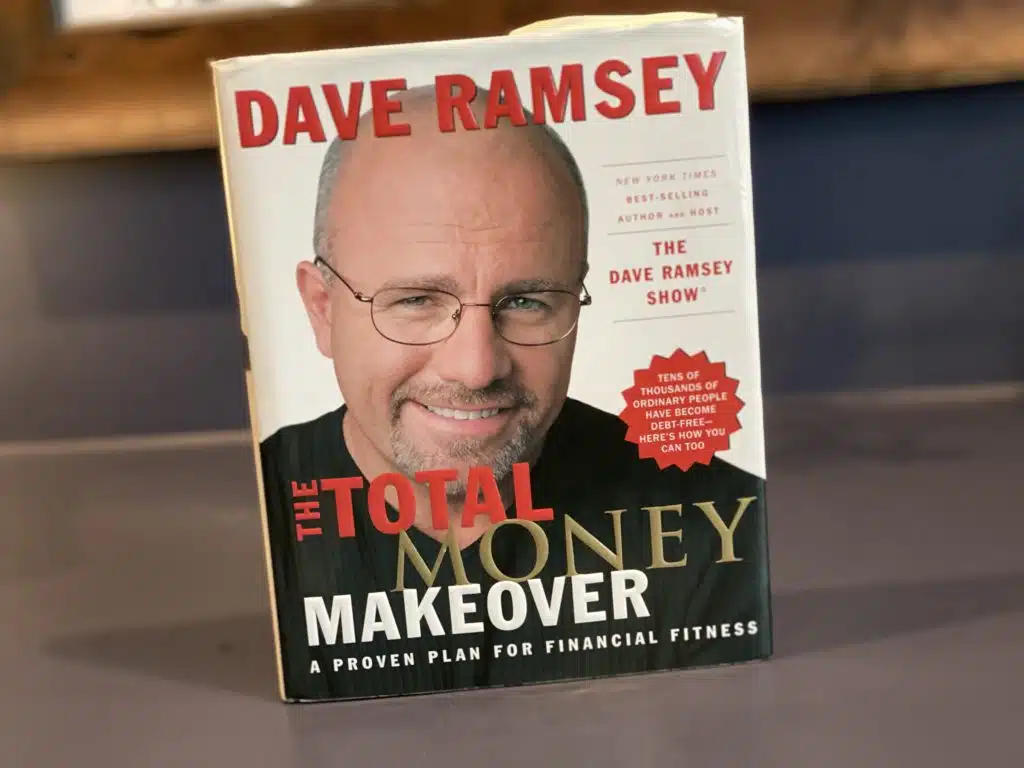
For those "drowning in debt" and in urgent need of a clear, structured escape route, the reviewer strongly endorsed Financial Peace University. Dave Ramsey’s "no-nonsense approach" and the proven "Baby Steps" system provide the necessary motivation and direction to tackle debt head-on. The debt snowball method was highlighted as particularly effective for generating quick wins and maintaining momentum. However, prospective participants should be prepared for its intense, "boot camp-style" learning environment.
Finally, for individuals seeking a deep, spiritual exploration of money management, Crown Financial’s MoneyLife was recommended. Its emphasis on biblical principles, spiritual practices, and aligning finances with faith offers profound insights into God’s perspective on wealth. The "transfer of ownership" exercise was noted as particularly powerful for reshaping mindsets. The reviewer cautioned, however, that the program is more academic and reading-intensive, with less focus on immediate, highly practical strategies, appealing best to those who enjoy a studious and reflective learning process.
Implications for Individuals and Churches
The availability of these diverse programs has significant implications for both individuals and the broader Christian community.
For Individuals: The choice of program can dramatically influence one’s financial trajectory and spiritual growth. Selecting a program that aligns with one’s current financial situation (e.g., severe debt vs. wealth building), learning style, and desired depth of spiritual integration is paramount. Engaging with any of these programs represents a proactive step towards financial literacy, responsible stewardship, and potentially, a more profound understanding of faith’s role in daily life.
For Churches: Offering financial education programs has become a vital component of holistic discipleship. Churches can utilize these resources to:
- Equip Members: Provide practical tools and biblical wisdom to help congregants overcome financial stress, which is a major source of marital conflict and personal anxiety.
- Foster Generosity: By teaching principles of stewardship and giving, churches can cultivate a culture of generosity that supports both individual financial health and the ministry’s mission.
- Build Community: Group classes create opportunities for fellowship, accountability, and mutual support, strengthening the bonds within the congregation.
- Address Societal Needs: By promoting financial literacy, churches contribute to the economic well-being of their communities, demonstrating practical love and care.
The "official responses" of these organizations, embodied in their curricula, reflect their commitment to empowering believers. Ramsey Solutions emphasizes a clear path to financial freedom through discipline. SeedTime promotes a balanced, grace-filled approach for eternal impact. Crown Financial underscores a deep, biblical understanding of God’s ownership and stewardship. Each, in its unique way, contributes to the overarching goal of helping Christians honor God with their finances.
Conclusion
The journey toward financial peace and biblical stewardship is a deeply personal one, yet it is often best navigated with expert guidance and community support. The landscape of Christian financial education, represented by programs like True Financial Freedom, Financial Peace University, and MoneyLife, offers a rich array of options designed to meet diverse needs and preferences.
Whether grappling with overwhelming debt, seeking to build lasting wealth, or desiring a deeper integration of faith and finance, there is a program tailored to guide that journey. The most crucial step is not merely choosing a program, but committing to its principles and taking consistent action. By investing in financial education and aligning monetary decisions with faith, individuals can unlock profound freedom, cultivate generosity, and ultimately make a lasting impact in their lives and for the Kingdom of God.