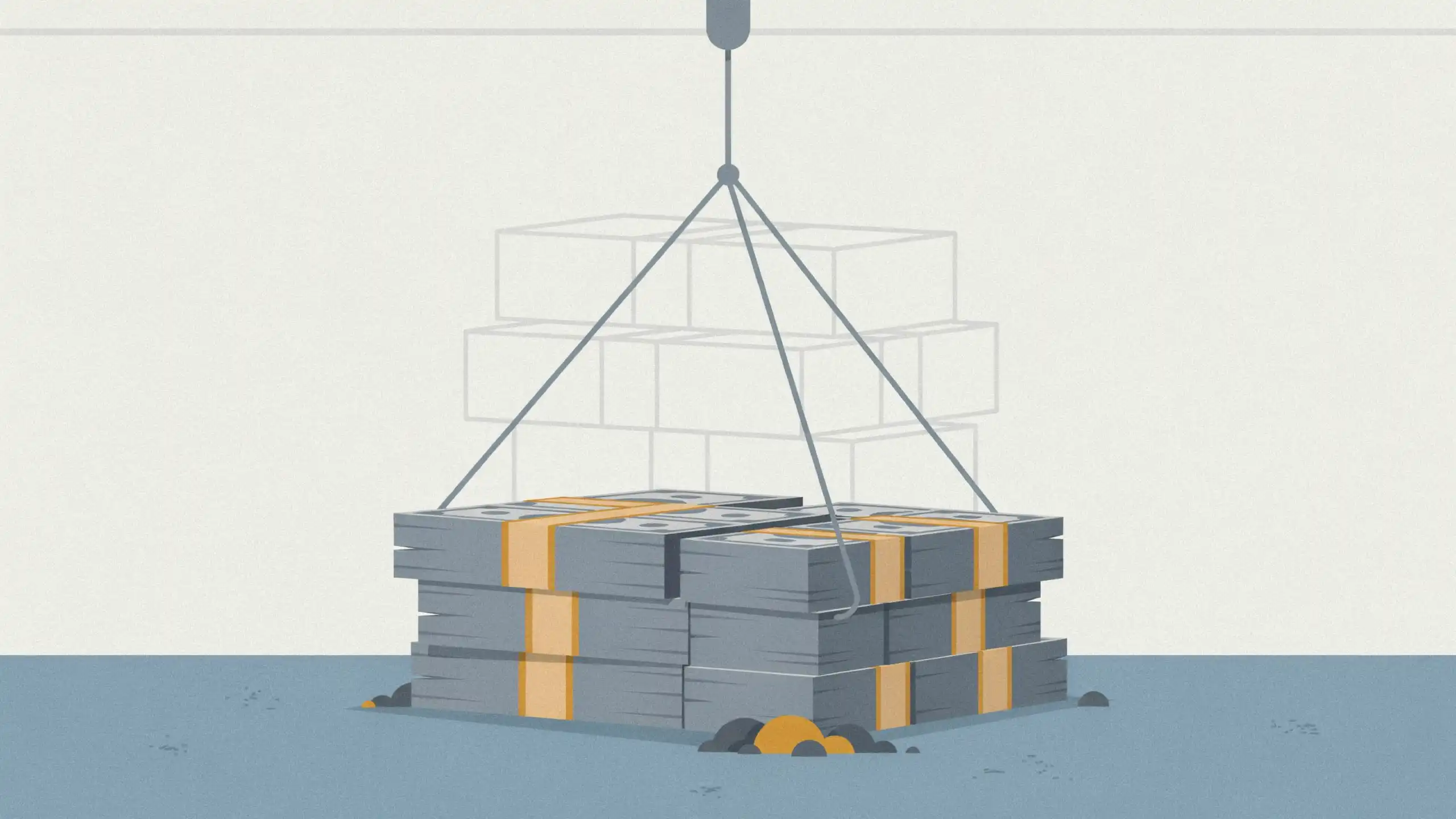
In the complex architecture of personal finance, most individuals begin by trying to build the roof before they have even poured the foundation. Driven by the desire to become debt-free or the fear of missing out on market gains, many prioritize aggressive debt repayment or speculative investing over the most critical component of financial stability: the starter emergency fund.
Financial experts argue that this "backwards" approach is the primary reason why so many people remain trapped in a perpetual cycle of debt. Without a cash buffer, the smallest financial hiccup—a flat tire, an urgent medical bill, or a minor home repair—acts as a wrecking ball to one’s long-term financial goals. By reframing the emergency fund as a "financial circuit breaker," individuals can transform their relationship with money, shifting from a state of fragility to one of resilience.
The Fragility of a Debt-First Mindset
The allure of "debt-first" or "investing-first" strategies is understandable. The psychological weight of a credit card balance or the siren call of compounding interest in the stock market often feels more pressing than the abstract concept of a savings account. However, prioritizing these goals without a safety net creates a systemic vulnerability.
Consider the typical scenario: A household aggressively pays down credit card debt, sacrificing their savings rate to maximize monthly payments. They are making significant progress until their car’s transmission fails—a repair costing $2,000. Lacking liquid savings, they are forced to pull out the very credit card they spent the last six months paying off. In an instant, the progress is erased, and the cycle of interest-bearing debt resumes.
This is the definition of financial fragility. Until a buffer exists, every other financial move—the extra debt payment, the brokerage deposit, or the strict budget—is at risk of collapsing. A starter emergency fund is not an investment designed for high returns; it is a defensive tool designed to ensure that you never have to move backward.
Chronology of Financial Maturity
To build a sustainable financial life, one must follow a logical, phased progression. Attempting to skip steps is the most common path to failure.
Phase 1: The Starter Emergency Fund
The first objective is the "starter" fund. This is deliberately modest—typically one month of bare-bones living expenses. This phase is not about wealth creation; it is about risk mitigation. It covers the "unavoidable" shocks: a surprise ER copay, an urgent car repair, or an unexpected flight to visit family.
Phase 2: Debt Resolution
Once the starter fund is established, you move to the second phase. With a circuit breaker in place, you can now attack high-interest debt with confidence. Because you have a cushion, you no longer need to fear the "what if" scenarios that usually tempt people into using credit. You can dedicate your surplus cash flow to eliminating liabilities, knowing your baseline is protected.
Phase 3: The Full Emergency Fund
After high-interest debt is eliminated, the goal shifts from a "starter" fund to a "full" emergency fund. This involves scaling your savings to cover three to six months of expenses. This allows for protection against larger life disruptions, such as a period of unemployment or a significant medical leave.
Phase 4: Long-Term Investing
Only after the foundation (the full emergency fund) is secure and the high-interest debt is cleared should one pivot toward aggressive long-term investing. At this stage, your financial house is sturdy enough to withstand market volatility and unexpected life events, allowing your investments to grow undisturbed.
Supporting Data: Why Small Buffers Matter
Data consistently suggests that financial stress is rarely caused by large-scale catastrophes, but rather by the "micro-emergencies" that catch households off guard.
According to various consumer finance studies, nearly 40% of American adults struggle to cover a $400 emergency expense without borrowing or selling assets. This statistic highlights a systemic failure: when individuals lack access to liquid cash, they are forced into high-interest predatory lending or credit card cycles.
A starter fund of one month’s expenses is mathematically reachable for most households within a 90-day period if prioritized. By calculating the "bare-bones" number—the absolute minimum needed for housing, utilities, groceries, basic transportation, and minimum debt payments—households can identify a concrete, actionable goal. For example, if your bare-bones budget is $3,000, your target is $3,000. While that number may seem small compared to long-term wealth goals, its impact on psychological peace of mind and financial momentum is profound.
Official Perspectives on Liquidity
Financial planners and economists emphasize the importance of "liquidity preference"—the idea that cash held in a secure, accessible account is a hedge against uncertainty.
"The most important investment you make in the early stages is not in the S&P 500, but in your own financial autonomy," says one financial analyst. "When you are forced to pay 20% interest on a credit card because you lacked a $1,000 emergency fund, you are effectively paying a penalty for your lack of liquidity. A high-yield savings account is your insurance policy against that penalty."
The strategy recommended by experts is to store this money in a separate institution from your primary checking account. This "friction"—the act of having to log into a different bank to transfer money—prevents the emergency fund from being eroded by "lifestyle creep" or impulsive daily spending.
Tactical Implementation: How to Build Your Buffer
Building the starter fund requires a shift in habits and a commitment to automation.
- Calculate the Baseline: Itemize your monthly survival costs. Do not include dining out, entertainment, or subscription services. This is your "survival number."
- Automate the Transfer: Set up a recurring transfer from your paycheck to your dedicated emergency savings account. Even if it is only $50 per pay period, the act of consistent saving creates a habit.
- Deploy Windfalls: If you receive a tax refund, a work bonus, or a monetary gift, divert 100% of these funds toward the starter fund until it is fully capitalized.
- Pause Non-Essential Debt Payments: During the building phase, pay only the minimums on your debts. While this may seem counterintuitive, the risk of falling back into debt is higher than the interest you will accrue over the few months it takes to save your starter fund.
- The "Circuit Breaker" Moment: The first time you encounter a $500 car repair and pay for it with cash from your savings account—rather than a credit card—you have successfully broken the cycle. You have proven that you can handle a bad week without it costing you a year of progress.
Implications of Financial Stability
The ultimate implication of a robust emergency fund is the shift from a defensive financial posture to an offensive one. When you are no longer worried about the next emergency, you can make better long-term decisions. You are no longer forced to accept a job you dislike because you have no savings; you are no longer forced to keep high-interest debt because you are afraid to touch your cash.
A bad week no longer turns into a bad year. By establishing a starter emergency fund, you provide yourself the time and space to navigate life’s inevitable challenges without compromising your future. In the final analysis, financial freedom is not just about the size of your portfolio; it is about the strength of your foundation. Build the base first, and the rest will follow.