Honolulu, Hawaii – A peculiar paradox often defines the later years for many financially secure individuals: despite accumulating substantial wealth, a significant portion of the elderly population lives in avoidable discomfort, and sometimes even danger. This phenomenon, observed keenly during extended visits with elderly parents in Honolulu, suggests that the barrier to a better quality of life is frequently not a lack of financial resources, but rather a profound inertia – a deficit of "activation energy" required to initiate necessary changes or repairs. This article explores this critical oversight, examining its roots, its devastating consequences, and the vital role adult children can play in safeguarding their parents’ well-being.
The Comfort Paradox: Unveiling Unseen Hardship
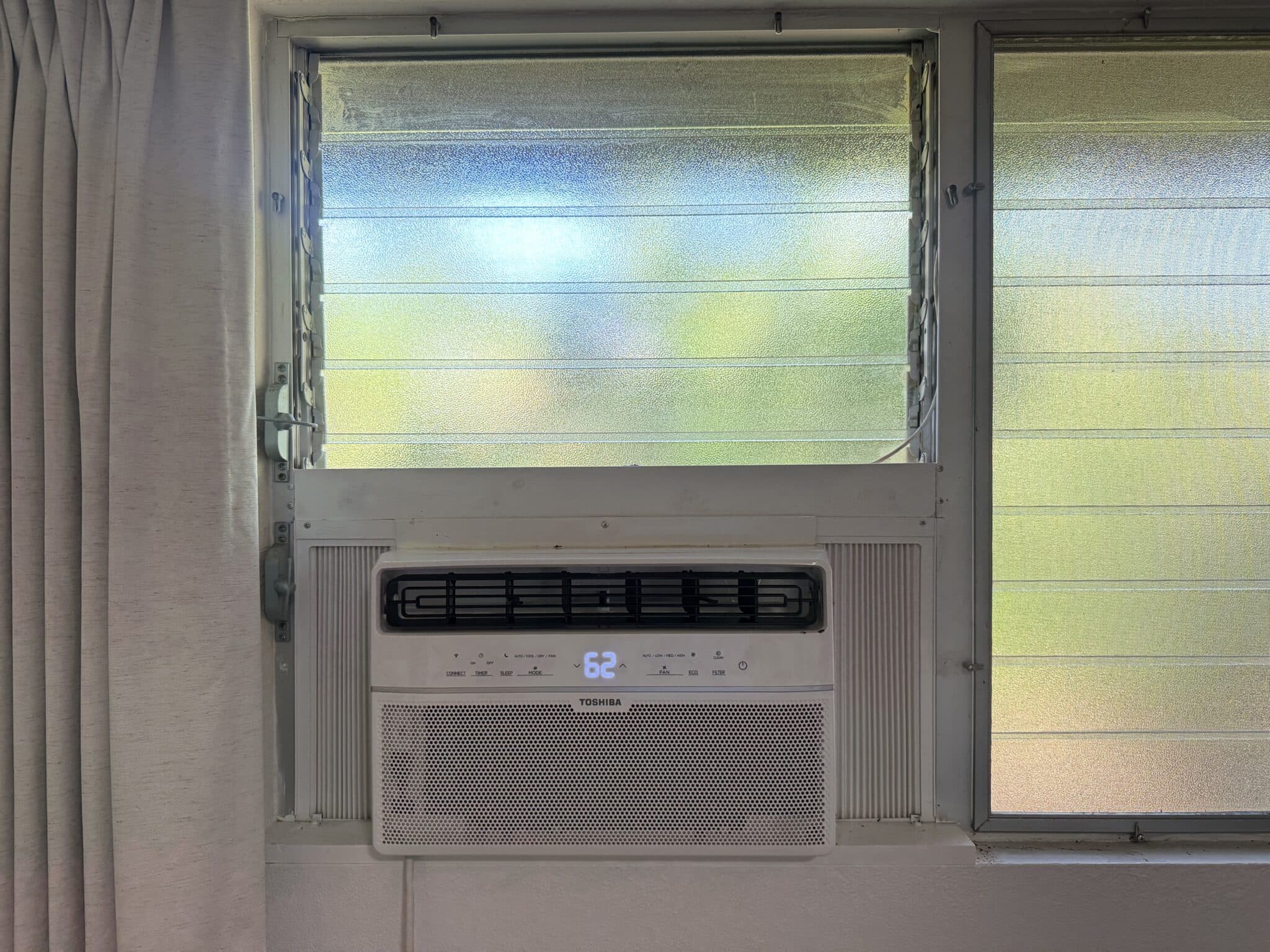
The narrative begins with a seemingly minor domestic upgrade that catalyzed a much larger realization. During a summer spent in a two-bedroom in-law unit in Honolulu, the stifling Hawaiian heat, routinely ranging from 83 to 90 degrees Fahrenheit with oppressive humidity, exposed a critical flaw: a 42-year-old, defunct through-the-wall air conditioning unit in one bedroom. The unit was not just broken; it was a relic, rusting away. The simple solution, a new AC unit from Home Depot costing $260, transformed the room. Its installation, along with two more units in the second bedroom and living room for similar costs, highlighted the stark contrast between prior discomfort and newfound relief. The total investment, around $500 per unit including labor, represented a negligible sum for individuals of means, yet it addressed years of unnecessary suffering.
This seemingly straightforward improvement begged a profound question: why had such an affordable, life-enhancing fix been neglected for so long? The answer, it became clear, was not financial constraint but a deeper, more insidious form of adaptation and reluctance to disrupt routine.
The Perilous "Hot Box" Car: A Microcosm of Neglect
The inquiry deepened with observations concerning a 28-year-old Toyota Avalon, owned by the author’s father. Despite repeated offers to purchase a new, safer, and more comfortable vehicle, the father consistently declined, citing a desire to save money and an attachment to its familiarity. At 81, his driving frequency had diminished, yet the car remained a symbol of the broader issue.
The vehicle’s state of disrepair was alarming. After a 55-minute commute for the author, the father unexpectedly invested over $2,000 to replace old axles and tie rods, driven by a concern for the author’s safety. Later, a non-functional driver’s side window, deemed "unbearable" by the author, was also fixed for $750. These repairs, while welcome, were reactive and prompted by external influence rather than proactive self-assessment.
However, the car’s most critical flaw persisted: a broken air conditioning system. On an 88-degree day, the vents blew air at nearly the ambient temperature, causing the cabin to quickly exceed 100 degrees after brief parking. A 14-minute drive home, with windows initially open, saw temperatures soar once closed. The author experienced immediate physical distress – a heavy chest, shortened breath – evoking a childhood memory of passing out from heat in Malaysia. Yet, his parents, when asked, claimed not to feel hotter, illustrating a profound disconnect between their physical experience and their perception.
This episode solidified a critical insight: the issue was not monetary. The parents possessed ample financial resources, including debt-free living, government pensions from decades of foreign service, and sufficient cash flow to address these issues. Their reluctance stemmed from inertia.

The Psychology of Adaptation: When Discomfort Becomes Normal
After two decades of retirement in Hawaii, the parents had, remarkably, "adapted to the heat." They had acclimated to the malfunctioning car, the persistent kitchen pipe leak (which ran for three years until the author fixed it without permission), and even a blurry television screen they deemed perfectly fine for a year until it was repaired. This adaptation is a key psychological component of the problem. When an inconvenience becomes a long-standing fixture, it recedes into background noise, its discomfort fading from conscious awareness, even when the underlying danger persists.
This phenomenon, often observed in aging populations, can be attributed to several factors:
- Sensory Decline: As individuals age, their sensory perceptions (sight, hearing, touch, temperature sensitivity) can diminish, leading them to genuinely not perceive problems that are obvious to others.
- Cognitive Changes: The mental effort required to identify a problem, research solutions, and coordinate repairs can become overwhelming.
- Entrenched Habits: Decades of frugality, particularly among generations who experienced economic hardships, can make spending on "comfort" seem frivolous, even when it relates to health and safety.
- Desire for Simplicity: The sheer complexity of navigating modern services, from online reviews to scheduling multiple appointments, can deter older adults who prefer a simpler, less demanding routine.
When the father states, "I just don’t want to" in response to suggestions of a new car, it speaks to a deep-seated contentment and a resistance to change, admirable in its pursuit of satisfaction with what one has, yet potentially perilous. The fear, however, remains: that this contentment could lead to a catastrophic event, such as heatstroke during unexpected traffic, overwhelming bodies less resilient than their minds perceive them to be. This mind-body incongruence is a critical area for vigilance, particularly for adult children.
The Silent Crisis: Elderly Vulnerability to Heat
The personal anecdotes resonate with alarming global statistics. Heat-related mortality among the elderly is a silent, escalating crisis. The World Health Organization (WHO) reports that heat claims over 60,000 lives annually in Europe alone, and more than 175,000 lives across the broader WHO European Region each year, making heat stress the leading cause of climate-related death there. Even more deaths occur in Asia. Critically, 85% to 90% of these fatalities are individuals over 65.
The heightened vulnerability of older adults is multi-faceted:
- Impaired Thermoregulation: The aging body’s ability to regulate temperature diminishes. Sweat glands become less efficient, and the perception of thirst can decrease, leading to dehydration.
- Pre-existing Conditions: Chronic diseases such as cardiovascular issues, respiratory ailments, and diabetes are exacerbated by heat stress, increasing the risk of heart attacks, strokes, and respiratory failure.
- Medication Interactions: Many common medications taken by the elderly (e.g., diuretics, anticholinergics, beta-blockers) can interfere with the body’s ability to cool itself or mask symptoms of heat stress.
- Social Isolation: Many elderly individuals live alone, increasing the risk that heat-related distress goes unnoticed and untreated for extended periods.
The stark reality is that this demographic, often the wealthiest in many countries due to decades of savings, pensions, and accumulated assets like home equity, suffers disproportionately. The disconnect between financial capacity and actual living conditions underscores that poverty is rarely the primary barrier to safety and comfort in these instances.
The Activation Energy Problem: The True Obstacle
The core issue, then, is the "activation energy" problem. Consider the steps involved in fixing a car’s AC: researching a reliable mechanic, obtaining quotes, scheduling the repair, arranging alternative transportation, waiting for parts, picking up the vehicle, and potentially disputing unexpected charges. For a 49-year-old, this might be an inconvenient afternoon. For an 81-year-old, each step can feel like pushing a boulder uphill.
This "activation energy" extends to nearly every aspect of maintaining a comfortable and safe home. Hiring a cleaner involves interviewing strangers and explaining tasks. Fixing a leak necessitates finding a plumber, coordinating schedules, and enduring noise. In contrast, doing nothing requires zero energy today. The discomfort is paid in imperceptible, small installments, while the fix demands a significant upfront expenditure of effort. In this scenario, inaction often "wins" daily, for years, until the consequences become dire – a rotting ceiling, or a heatwave claiming a life.
Therefore, when elderly individuals hesitate to spend money on improving their living conditions, it’s often a misdiagnosis to attribute it solely to frugality. While a thrifty mindset can play a role, the dominant factor is frequently the sheer mental and physical burden of initiating and overseeing the solution. Money in a bank account, however substantial, cannot independently overcome this activation energy barrier. This highlights why regular check-ins and proactive assistance from adult children are not merely acts of kindness but essential interventions.
The Double-Edged Sword of Frugality: Appreciation vs. Neglect
There is an undeniable, even admirable, quality to the resilience and contentment that allows some elders to live simply. The author acknowledges a personal appreciation for his childhood home remaining "stuck 42 years in the past"—the rusted oven, stained carpets, and smudged walls serving as a nostalgic time machine. This immersion in older, less luxurious conditions can be a powerful antidote to "lifestyle inflation," making modern conveniences feel more valuable upon return. Driving a 28-year-old car without modern amenities, for instance, can make a 2015 model feel like ultimate luxury, dampening desires for constant upgrades.
However, there is a perilous line where admirable frugality morphs into dangerous neglect. The tragic case of actor Gene Hackman and his wife, Betsy Arakawa, serves as a stark warning. In 2025 (as cited in the original article), they were reportedly found deceased in their Santa Fe home, undiscovered for over a week. Investigators discovered extensive rodent infestations, and his wife’s death was attributed to hantavirus pulmonary syndrome, spread by rodent droppings. Hackman, 95 and suffering from advanced Alzheimer’s, reportedly lived alone with her body for days before his own heart gave out.
Hackman, reportedly worth $80 million, could have easily afforded comprehensive pest control, cleaners, groundskeepers, and full-time caretakers. Money was unequivocally not the obstacle. The barrier was the activation energy required to arrange and manage these services. This heartbreaking example underscores that immense wealth offers no inherent protection against the insidious creep of neglect when the capacity or willingness to initiate essential actions diminishes. Money is a tool; its value lies in its application to enhance safety, comfort, and well-being. If it cannot secure a cool room, a safe vehicle, or regular human oversight, its purpose is diminished.
Empowering Adult Children: A Practical Playbook
As the designated caretakers and advocates for aging parents, adult children bear a significant responsibility. Proactive engagement, rather than reactive intervention, is paramount. A fresh, external perspective can identify blind spots and solve problems that parents have adapted to or simply lack the energy to address. A practical playbook emerges:
- Visit Long Enough to Observe: Short visits provide a curated "highlight reel." Extended stays (e.g., four weeks instead of three days) reveal the underlying realities: the broken AC, expired food, blurry TV, or leaking pipes. These prolonged immersions are crucial for a comprehensive assessment of living conditions.
- Fix Small Things Without a Committee Meeting: Rather than seeking permission for every minor repair, take initiative. The author’s unannounced repair of the kitchen pipe leak, after three years of passive acceptance, was met with gratitude, despite initial adaptation to the problem. The goal is to solve problems, not to debate them.
- Be the Activation Energy: This is perhaps the most critical role. Parents do not need advice as much as they need someone to do the doing. This involves researching trustworthy service providers, making phone calls, scheduling appointments, being present to grant access to the home, and managing billing disputes. Absorbing these logistical burdens is a direct antidote to the inertia problem.
- Don’t Force Wholesale Change: While intervention is necessary, it must be balanced with respect for parental autonomy. Avoid bulldozing their independence or condemning their established habits, which may have served them well for decades. Gradual, respectful changes are more likely to be accepted.
- Introduce Convenience Gradually: Implement services that ease their daily lives without being overly intrusive. Setting up ride-sharing apps, grocery delivery services, or explaining new phone features can save them trips and effort. Hiring a gardener or house cleaner can significantly reduce physical strain and improve living environments.
- Establish a Consistent Check-in Rhythm: A weekly phone call, a daily text message, or even brief video calls are inexpensive yet invaluable forms of insurance. Regular contact ensures that any emerging issues, whether health-related or environmental, are identified promptly.
- Consider the "Stealth Fix": In situations where parents resist direct intervention, a discreet repair can be highly effective. Taking the car to the mechanic to fix the AC, as the author did, provides immediate relief without demanding parental engagement. The cost, often minimal compared to the benefit, is a worthwhile investment in their safety and comfort.
The Joy of Restored Comfort: Small Costs, Catastrophic Risks
The resolution of the car AC issue perfectly encapsulated the core message. A local mobile mechanic, Dan, diagnosed a freon leak. For a mere $80 to top off the refrigerant, the 1998 Toyota Avalon was blowing ice-cold air again after three years of discomfort. This swift, affordable fix eliminated the risk of heatstroke and potential accidents. It was a tangible demonstration that the obstacle was never money, but the absence of someone willing to be the activation energy.

This experience crystalizes a broader principle: safeguarding family often boils down to incurring small, seemingly mundane costs to mitigate catastrophic risks. An $80 freon refill removes the immediate threat of heatstroke. A $400 wall AC unit transforms a sweltering room into a comfortable sanctuary. A weekly phone call prevents a parent from lying undiscovered for days.
The most significant catastrophic risk for many families is the loss of an income earner. This, too, can be mitigated for a relatively small cost. Term life insurance policies, offering coverage for decades, provide immediate relief and financial security, akin to the rush of cold air from a newly fixed AC. Services like Policygenius allow individuals to compare real quotes from top carriers efficiently, highlighting that, like many of the issues discussed, the challenge is rarely the cost itself, but the initial effort required to explore solutions.
Conclusion
The paradox of affluent elders living in preventable discomfort or danger is a pervasive issue, rooted not in financial scarcity but in the profound inertia that accompanies aging. The decline in physical and cognitive energy required to manage daily life and address maintenance issues transforms simple tasks into insurmountable hurdles. This "activation energy" problem often leads to adaptation to substandard conditions, even when those conditions pose significant health and safety risks.
Adult children have a critical responsibility to bridge this gap. By offering not just financial support but, more importantly, their time, observational skills, and willingness to be the activation energy, they can profoundly improve their parents’ quality of life and avert tragic outcomes. Regular, extended visits, proactive problem-solving, respectful intervention, and consistent check-ins are essential tools in this endeavor. Ultimately, money is merely a resource; its true value is unlocked when it is applied, with conscious effort and care, to ensure the comfort, safety, and dignity of those we cherish most.
Reader Questions:
- Why do you believe the wealthiest generation often appears the least willing to spend money on comfort and safety? Is it a lingering effect of Depression-era conditioning, general inertia, or a contentment with less that younger generations have lost?
- Have you observed the "activation energy" required to get things fixed rising in your own life or among older relatives as they age?
- What other strategies have you found effective in encouraging elderly parents or relatives to address comfort or safety issues in their homes or lives?